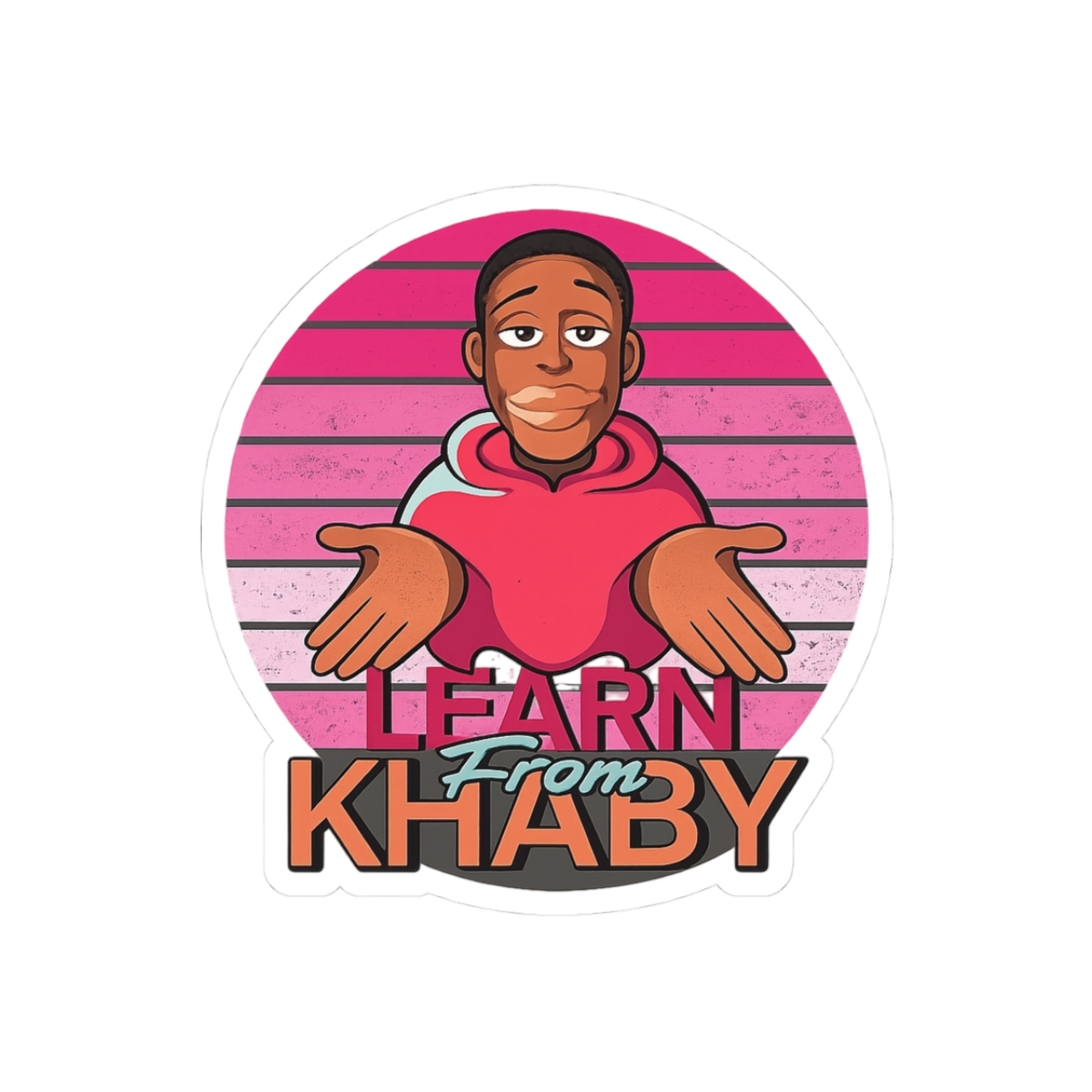
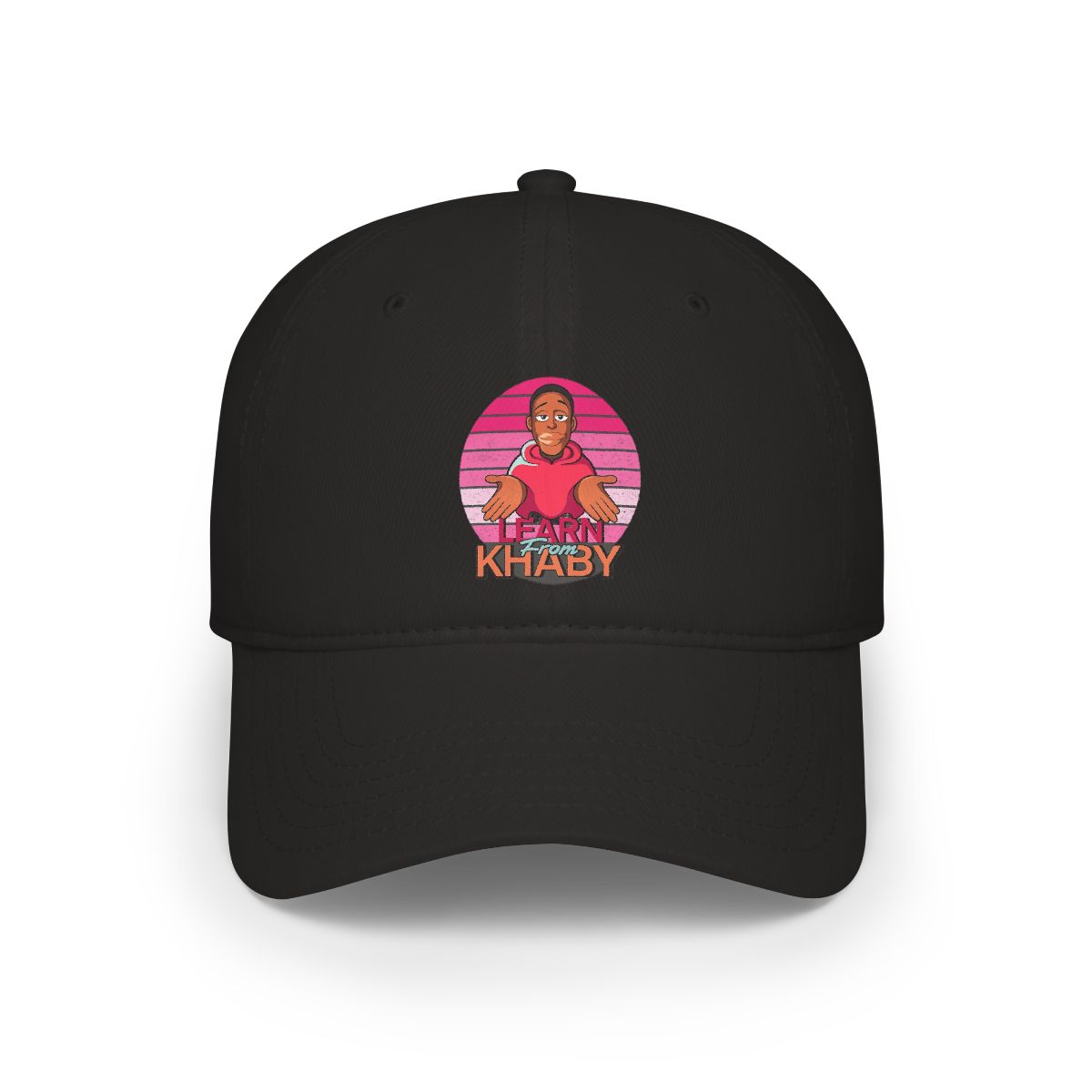
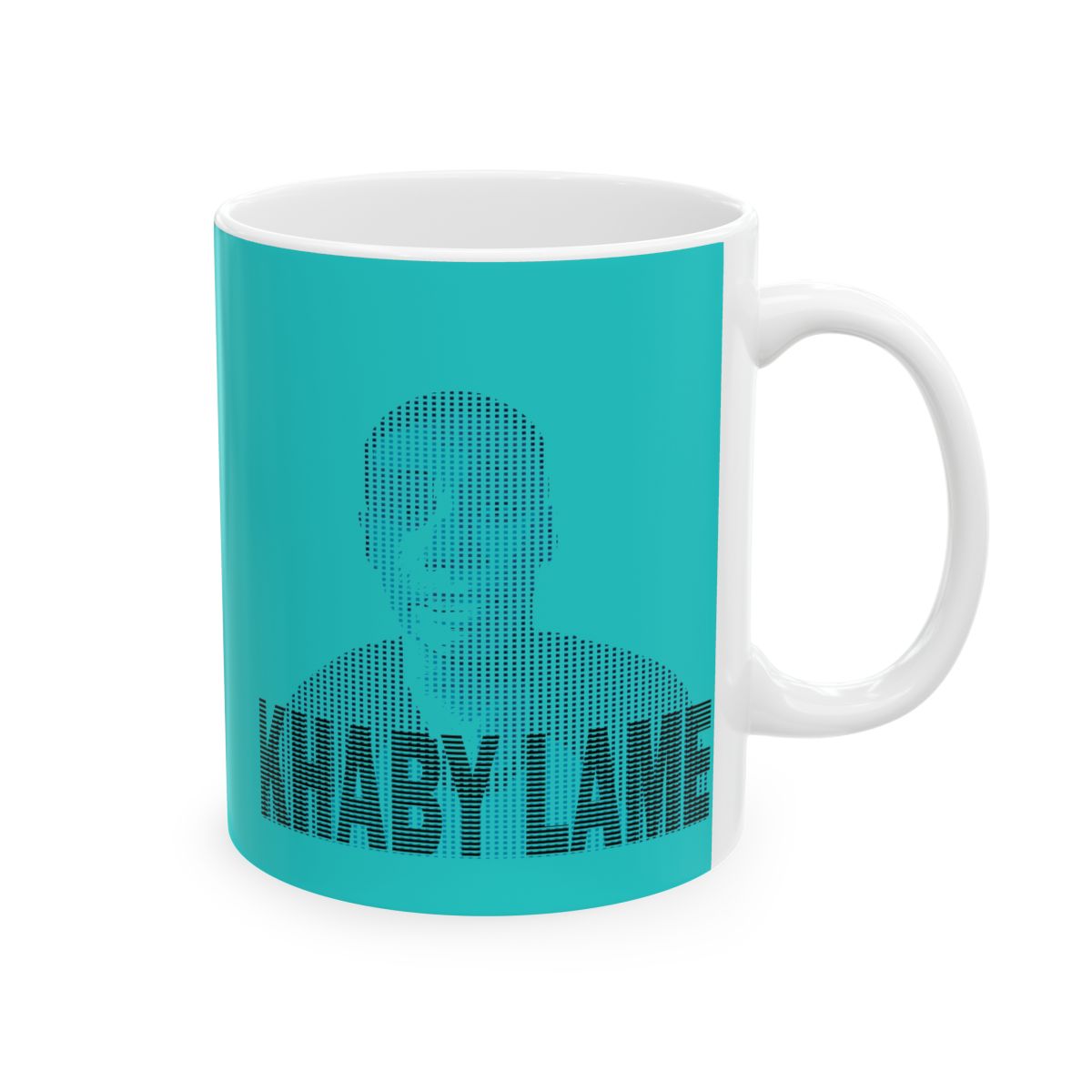
You're scrolling through TikTok, and there it is again: a man in a hoodie, arms crossed, one hand palm-up, the other gesturing toward it. Khaby Lame's silent critique of overcomplicated life hacks has become a universal language. But when you see that same hand gesture printed on a T-shirt or hoodie, you might wonder: what does it actually mean? More importantly, why does it feel like it belongs on your merch shelf?
← Back to Blog
What Does Khaby Lame's Hand Gesture Mean on Merch?
Discover the story behind Khaby Lame's iconic hand gesture and how it appears on his merchandise. From viral TikTok reaction to fan-favorite apparel, learn what this symbol means and how to style your gear.
The Origin of Khaby Lame's Signature Hand Gesture
Khaby Lame didn't start with a hand gesture. He started with frustration. In early 2021, the Senegalese-Italian creator began posting reaction videos to overly complicated life hacks. His signature move: a deadpan expression, arms crossed, one hand flipping upward as if to say "you could have just done it the simple way." The gesture is a visual shorthand for his entire brand: effortless, relatable, and universally understood.
The hand gesture itself is a combination of a palm-up "why?" and a dismissive wave toward the unnecessary complexity. It's not a traditional sign or symbol from any culture; it's a spontaneous reaction that Khaby refined over hundreds of videos. In an interview with Variety in 2022, he explained that the gesture came naturally because he doesn't speak English in his videos. "I needed a way to communicate without words," he said. "The hand does the talking."
How the Hand Gesture Became a Global Phenomenon
By mid-2022, Khaby Lame had surpassed Charli D'Amelio to become the most-followed creator on TikTok. His hand gesture became his calling card. Fans began recreating it, adding their own twists. The gesture spread beyond TikTok: it appeared in YouTube thumbnails, Instagram Reels, and even in memes on Twitter. Brands took notice. In 2023, Khaby partnered with Hugo Boss for a campaign that featured the gesture prominently. But it was his own merchandise line that really cemented the symbol.
From Viral Trend to Cultural Symbol
The hand gesture transcended its original context. It became a symbol of anti-overcomplication, a badge of simplicity in a chaotic digital world. When Khaby dropped his first merch drop in April 2023, the gesture was front and center. Fans weren't just buying a shirt; they were buying into an idea. The gesture said, "I get it. Keep it simple."
The Role of Print-on-Demand in Spreading the Symbol
Khaby's merch strategy relied on print-on-demand, which allowed designs to be updated quickly based on viral moments. As the gesture evolved, so did the products. Early designs featured a simple outline of the hand. Later iterations added color, texture, and stylized versions that played with negative space. This flexibility meant the gesture could appear on everything from hoodies to phone cases, reaching fans wherever they shopped online.
The Hand Symbol on T-Shirts, Hoodies, and Accessories
Khaby Lame hand gesture meaning on merch is more than just a design: it's a conversation starter. On a T-shirt, the gesture is often placed centered on the chest or as a small logo on the sleeve. Hoodies feature larger prints on the back, sometimes with the gesture repeated in a pattern. Accessories like caps and fanny packs use the gesture as a subtle embroidery or heat-transfer patch.
Material and Quality Notes
From my years working in print-on-demand, I've learned that the substrate matters. Khaby's official merch uses 100% combed ring-spun cotton for tees (180 GSM) and a cotton-polyester blend for hoodies (280 GSM). The gesture is usually screen-printed with plastisol ink, which gives a raised texture that makes the hand pop. On darker garments, a white under-base prevents the fabric color from bleeding through. These aren't print-on-demand secrets I'd normally share, but they matter because they affect how the gesture looks after 20 washes. In my experience, a well-applied plastisol print lasts 50+ cycles without cracking.
The Design Evolution
Early merch drops featured a flat, one-color silhouette. By 2025, Khaby's team introduced gradient and 3D-style hands. The most popular design in 2026 is a hand gesture with a subtle shadow effect, making it look like it's casting a shadow on the fabric. This small tweak adds depth and makes the gesture more photogenic for social media posts.
Why Fans Connect with the Gesture on Merchandise
Fans buy merch to signal identity. The Khaby Lame hand gesture meaning on a shirt says, "I value straightforward thinking. I don't complicate things." It's a low-key flex that aligns with the broader minimalist lifestyle trend. According to a 2025 survey by Creator Economy Weekly, 62% of Khaby's fans aged 18-24 said they bought his merch because "the design represents a mindset I relate to." Only 28% cited "supporting the creator" as the primary reason.
A Community Inside Joke
Wearing the gesture is like being part of an inside joke with millions of people. When you see someone else in public wearing it, there's an immediate recognition. It's the same feeling you get when you spot a rare Pokemon or a niche band tee. The gesture has spawned its own fan art, fan theories, and even parody hand gestures. Khaby himself has leaned into this, reacting to fan recreations on his channel.
How to Style Your Khaby Lame Hand Gesture Gear
The beauty of the hand gesture is its versatility. It works with streetwear, casual, and even semi-formal outfits if you're bold enough. Here are three practical styling tips from my experience working with creators on merch sales:
- Cinch it: Khaby's hoodies are oversized. Pair the black hand-gesture hoodie with slim-fit jeans and clean white sneakers. Roll the sleeves once to show off the gesture print longer. This creates a balanced silhouette that frames the design.
- Layer it: A crewneck sweatshirt with the gesture centered on the chest works well under a denim jacket. The jacket opens to reveal the hand, creating a reveal effect that gets attention without screaming for it.
- Accessorize subtly: For a minimal take, go with the fanny pack or beanie. The gesture is small enough to be a conversation detail rather than a statement. I've seen fans at events use the hat as a starting point to ask strangers about Khaby, which makes for genuine connection.
Care tip: Turn any printed garment inside out before washing. Use cold water and hang dry. This keeps the gesture print sharp for years. Screen-printed designs last longest when you avoid fabric softener, which breaks down the plastisol bond.
Key Takeaways
- Khaby Lame's hand gesture started as a spontaneous reaction in his TikTok videos and became a global symbol of simplicity and relatability.
- The gesture on merchandise represents a mindset, not just a meme: fans wear it to align with straightforward thinking and community belonging.
- Print-on-demand technology allowed the design to evolve quickly, with 2026's most popular version featuring a 3D shadow effect.
- Proper garment care (inside-out wash, hang dry) preserves the print quality and extends the life of your merch.
- Styling options range from layered streetwear to subtle accessories, making the gesture adaptable to many wardrobes.
Frequently Asked Questions
What does Khaby Lame's hand gesture mean?
It's a silent response to overcomplicated life hacks, roughly translating to "why make it harder?" or "just do it simply." Khaby developed it to communicate without words across language barriers.Why does Khaby Lame use that hand gesture?
Because he doesn't speak in his videos. The gesture is his way of reacting to unnecessary complexity in a way that anyone, regardless of language, can understand instantly.Is Khaby Lame's merch officially licensed?
Yes, the merchandise sold through his official store and authorized retailers is official and designed by his team. Unauthorized resellers may use similar designs, but only official items use high-quality materials and contribute directly to Khaby.Where can I buy Khaby Lame hand gesture merch?
The official store at khabylame.com carries the full collection, including T-shirts, hoodies, hats, and accessories. Limited-edition drops are announced on his Instagram and TikTok channels.What products feature the hand gesture?
The gesture appears on classic T-shirts (black and white), oversized hoodies, beanies, fanny packs, and phone cases. Some designs place it small on the chest, while others print it large across the back. Check the product photos for exact placement.
Related Posts
Apparel
Khaby Lame Hoodie vs Sweatshirt: Your Perfect Pick in 2026
Deciding between a Khaby Lame hoodie and sweatshirt? We compare warmth, fit, design, and price so yo...
ApparelKhaby Lame Workout Gear: Best Gym Merch for Fans 2026
Discover the best Khaby Lame workout gear for the gym in 2026. From moisture-wicking tees to cozy ho...
ApparelKhaby Lame Merch for Travel 2026: Best Picks for Fans
Pack your Khaby Lame merch for your next trip. We break down the best hoodies, tees, and accessories...
Shop Khaby Lame Merch
Official merchandise — premium quality, designed for the community.